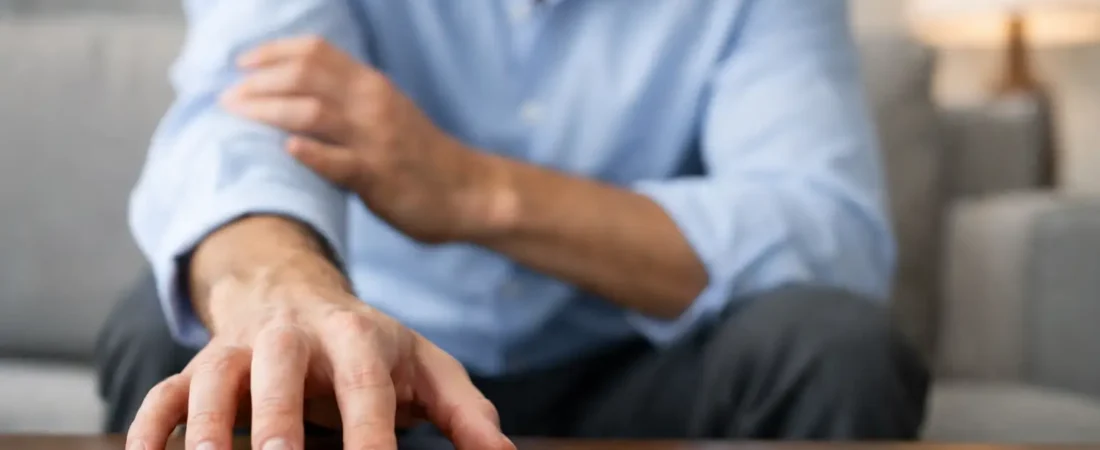
A patient watches one hand reach for an object they have no intention of touching. They may restrain it with the other hand. They may insist, with complete clarity, that the movement was not theirs. Alien hand syndrome sounds like a diagnosis built for fiction, but it is a rare and very real neurological phenomenon – and it exposes how fragile the brain’s sense of agency can be.
The hand is not possessed. It is not acting from a hidden personality. In most reported cases, the person remains awake, aware, and horrified by what is happening. The central mystery is more clinical, and in some ways more unsettling: a movement can be produced by the brain without being experienced as voluntary.
What Alien Hand Syndrome Actually Looks Like
Alien hand syndrome is a neurological disorder in which a limb, usually a hand, carries out seemingly purposeful actions that the person does not feel they initiated. The movements may be simple, such as groping, touching the face, or manipulating nearby objects. They can also be disruptive. One hand may button a shirt while the other unbuttons it, close a drawer that the other hand has opened, or reach toward items the patient is trying to avoid.
The word “alien” describes the patient’s experience of estrangement, not a supernatural explanation. Some people describe the hand as if it belongs to someone else. Others recognize it as their own hand but feel unable to claim its actions as their own. That distinction matters. The limb is still connected to the body, still receiving signals, and usually still capable of normal strength and sensation. What has fractured is the link between movement and the feeling of authorship.
This is not the same as a tremor, a muscle spasm, or ordinary fidgeting. Those movements are generally not goal-directed. Alien hand behavior can look organized: grasping a cup, pulling at clothing, or interfering with an intentional task. It also differs from a seizure, although seizures can cause involuntary movement and must be considered during evaluation. The boundaries can be complicated, which is one reason these cases demand careful neurological investigation rather than a quick label.
The Brain’s Missing Signature
Most voluntary movement begins long before a finger closes around an object. Brain networks form an intention, select an action, prepare the muscles, and monitor the result. At the same time, the brain generates a quiet but essential internal message: I did that.
Alien hand syndrome may occur when injury disrupts communication within that system. A command to move can still reach the limb, but the network responsible for intention, inhibition, or self-recognition may no longer be able to claim the act. The result can appear almost theatrical: a hand behaving with purpose while its owner feels reduced to a witness.
One major pathway in this story is the corpus callosum, the thick bundle of nerve fibers connecting the brain’s left and right hemispheres. When that bridge is damaged or surgically divided, the two sides may have difficulty sharing information. In some patients, one hand seems to act at cross-purposes with the other. This is sometimes called intermanual conflict.
Other cases involve the frontal lobes, especially regions involved in planning and suppressing unwanted actions. A frontal form of alien hand syndrome may produce grasping, groping, or compulsive reaching. Posterior forms, associated with injury to parietal or occipital regions, may involve a stronger sense that the limb is foreign or unrecognizable. These categories are useful clues, not airtight boxes. Real brains rarely respect neat clinical boundaries.
Why it can feel so deliberate
A hand does not need a conscious command to perform every movement. Much of human behavior is automated. We adjust our grip while carrying a drink, pull away from heat, and shift position without narrating each action. Alien hand syndrome is different because the automatic action becomes conspicuous, complex, and out of alignment with the person’s immediate goal.
That mismatch turns an ordinary movement into a threat. The patient is not merely dealing with a weak or clumsy hand. They may feel that the body has violated the basic agreement that intention comes first.
What Can Cause Alien Hand Syndrome?
Alien hand syndrome is not usually a disease by itself. It is a sign that points back to an underlying neurological event or condition. Stroke is among the better-known causes, particularly when it affects structures involved in motor planning, sensory integration, or communication between hemispheres.
It has also been reported after brain surgery, including procedures that divide the corpus callosum to reduce severe epilepsy. Head trauma, brain tumors, and certain infections or vascular injuries can damage relevant networks. In some cases, the syndrome develops as part of a neurodegenerative condition, particularly corticobasal syndrome, which can involve stiffness, apraxia, abnormal posturing, and difficulty controlling a limb.
The cause changes the investigation and the outlook. A sudden new onset after a stroke may evolve as the brain recovers. Symptoms linked to progressive neurodegeneration may become more persistent or arrive alongside other cognitive and motor changes. No single behavior, however strange it appears, can reveal the cause on its own.
How Clinicians Investigate a Case
A convincing account from the patient is often the first piece of evidence. Clinicians want to know exactly what the limb does, whether the person can stop it, what triggers it, and whether there are changes in sensation, vision, speech, memory, coordination, or mood. Video recorded safely at home can sometimes help capture behavior that does not occur during a brief appointment.
The examination looks beyond the hand. A neurologist may test strength, reflexes, sensation, coordination, visual fields, language, and the ability to carry out learned movements. Brain imaging, usually MRI or CT depending on the urgency and circumstances, can reveal stroke, bleeding, mass lesions, or structural changes. EEG may be used if seizure activity remains a possibility.
There is no single laboratory test that declares a case to be alien hand syndrome. The diagnosis is clinical, built from the pattern of symptoms and the evidence of an underlying brain disorder. Clinicians also need to distinguish it from functional neurological symptoms, obsessive-compulsive behavior, delirium, medication effects, and psychiatric conditions. That differential is not a dismissal. It is how medicine avoids mistaking one frightening experience for another.
Can the Hand Be Treated?
Treatment begins with the cause. A stroke, seizure disorder, tumor, inflammation, or degenerative disease requires its own plan. There is no universal medication that reliably stops alien hand behavior itself, and the medical literature is largely made up of case reports and small series rather than large trials.
Rehabilitation can still make a meaningful difference. Occupational and physical therapists may help patients reduce triggers, practice purposeful tasks, and find strategies for keeping the affected hand occupied. Holding a soft object, placing the hand in a pocket when safe, using visual attention during tasks, or arranging the environment to limit tempting objects may reduce interference for some people. What works depends on the pattern of movement and the person’s mobility, cognition, and daily demands.
Emotional care belongs in the treatment plan as well. Patients can be embarrassed, frightened, or worried that others will see the symptom as a sign of mental instability. Clear explanation matters: this experience can arise from neurological injury, and the distress it creates is real. For family members, the most helpful response is usually calm support rather than argument about whether the movement “really happened.”
The Question Beneath the Symptom
Alien hand syndrome forces an uncomfortable question into the open: how much of a voluntary act is movement, and how much is the feeling that we authored it? Most of us never separate those experiences. We reach, grasp, release, and assume the self is firmly in command.
For a person living with this syndrome, that assumption can fail in full view of the body. The case is rare, but its lesson is not. Our sense of control is not a single switch inside the brain. It is a constantly negotiated result of many systems working together, usually so quietly that we never notice the machinery.
A new involuntary movement, sudden weakness, confusion, speech trouble, facial drooping, or loss of coordination requires urgent medical attention, especially when symptoms begin abruptly. The strange detail is never the whole file. Sometimes it is the first clue that the brain needs help.